THREE SIGNATURE HOTELS DEFINE LUXURY STAYS IN RIGA
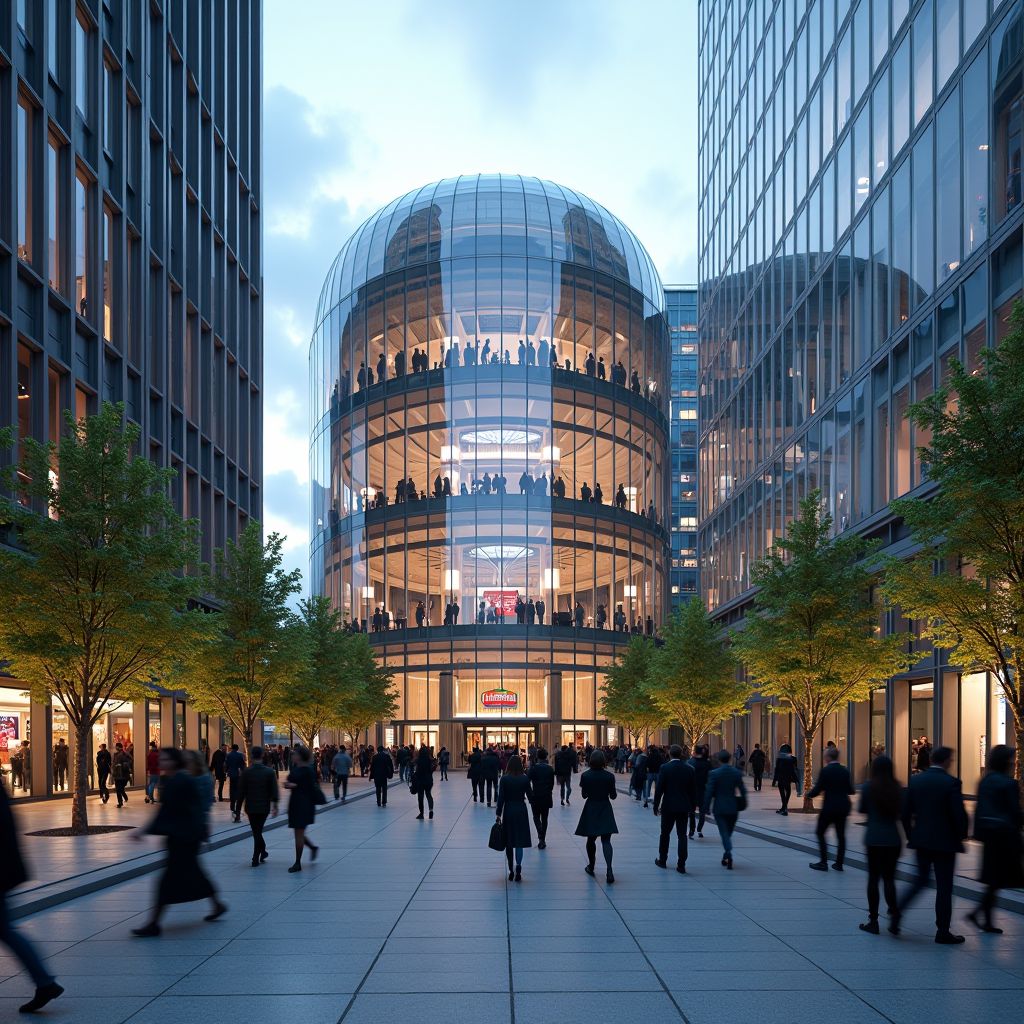
Three distinctive hotels now shape luxury stays in central Riga: Radisson Blu Latvija Conference & Spa Hotel on Elizabetes iela, Aston Hotel Riga on Brīvības iela, and Royal Casino Spa & Hotel Resort on Tērbatas iela. Together they cover conferences and spa, design-led boutique rooms, and casino entertainment — all within a short walk of Old Town.
This mix of addresses gives leisure guests and business travelers a clear choice in the Latvian capital, while keeping every property close to Riga's cultural venues, shops, and transport links.
COMPREHENSIVE DEVELOPMENT VISION
The three hotels sit across Riga's downtown core and nearby entertainment streets. Each property has been designed with a distinct architectural identity while maintaining cohesive luxury standards that reflect the city's evolving cosmopolitan character. The development plan emphasizes integration with existing urban infrastructure, ensuring seamless connectivity to major transportation hubs, cultural venues, and business centers.
Municipal planners have worked closely with developers to ensure that these projects align with Riga's long-term urban development goals. The hotels will incorporate sustainable building practices, energy-efficient systems, and green spaces that contribute to the city's environmental objectives. This approach demonstrates a commitment to responsible growth that balances economic opportunity with ecological stewardship.
The architectural design of each complex reflects contemporary aesthetics while paying homage to Riga's heritage as a gateway to the Baltic coastline and Gauja National Park. Exterior facades will feature locally sourced materials, including stone and timber elements that create visual connections to the surrounding natural landscape. Interior spaces will showcase Latvian artisanship through custom furnishings, indigenous artwork, and regionally inspired design motifs.
WORLD-CLASS AMENITIES AND FACILITIES
Each hotel complex will feature state-of-the-art spa facilities designed to provide guests with comprehensive wellness experiences. These spa centers will offer traditional therapeutic treatments alongside innovative wellness programs, including hydrotherapy circuits, thermal experiences, and specialized massage therapies. The facilities will employ certified professionals trained in both Western and Eastern wellness traditions, ensuring diverse treatment options for international clientele.
The culinary component of these developments represents a significant investment in Riga's gastronomic scene. Each property will house multiple dining venues, including signature restaurants helmed by acclaimed chefs. These establishments will focus on contemporary Latvian and Nordic cuisine, emphasizing locally sourced ingredients from Latvian farms and coastal producers and sustainable seafood from the Baltic Sea. Fine dining experiences will be complemented by casual bistros, specialty bars, and in-room dining services that maintain the same commitment to culinary excellence.
Conference and event facilities within the complexes will total over 50,000 square feet of flexible meeting space. These venues will be equipped with cutting-edge audiovisual technology, high-speed connectivity infrastructure, and modular design elements that allow for customization based on event requirements. The largest ballrooms will accommodate up to 1,000 guests, while smaller breakout rooms will provide intimate settings for executive meetings and specialized workshops.
Business travelers will benefit from dedicated executive lounges, 24-hour business centers, and concierge services tailored to corporate needs. The hotels will also feature fitness centers with premium equipment, indoor pools, and recreational facilities that allow guests to maintain their wellness routines while traveling.
ECONOMIC IMPACT AND EMPLOYMENT OPPORTUNITIES
The construction phase of these projects is expected to generate approximately 2,400 jobs across various sectors, including skilled trades, engineering, project management, and administrative support. This employment surge will provide significant economic stimulus during the development period, with construction activities scheduled to span 24 to 30 months for each property.
Upon completion, the three hotels will create an estimated 1,200 permanent positions ranging from entry-level hospitality roles to senior management positions. These opportunities will encompass front desk operations, housekeeping, culinary services, spa therapy, event coordination, and facilities management. The developers have committed to partnering with local educational institutions to establish training programs that prepare Riga residents for careers in the hospitality industry.
Economic analysts project that the hotels will contribute substantially to Riga's tourism revenue, with estimated annual visitor spending exceeding $180 million once all properties reach full operational capacity. This influx will benefit not only the hotels themselves but also surrounding businesses, including restaurants, retail establishments, entertainment venues, and transportation services.
STRATEGIC POSITIONING IN TOURISM MARKET
Riga's tourism sector has experienced steady growth over the past decade, driven by the city's proximity to world-renowned natural attractions, vibrant cultural scene, and robust business environment. The addition of 800 luxury hotel rooms addresses a documented shortage of premium accommodations, particularly during peak seasons when major events and conventions strain existing capacity.
The hotels will target multiple market segments, including international tourists seeking access to the Baltic coastline and Gauja National Park, business travelers attending conferences and corporate events, and domestic visitors exploring the Baltics. Marketing strategies will emphasize Riga's unique position as an urban center that offers immediate access to wilderness experiences, combining metropolitan sophistication with outdoor adventure opportunities.
Industry experts anticipate that these properties will attract high-value travelers who typically spend more on accommodations, dining, and ancillary services. This demographic shift could elevate Riga's profile among luxury travel markets, potentially leading to increased international flight connections and enhanced destination marketing opportunities.
The timing of this development aligns with broader trends in the hospitality industry, where travelers increasingly seek experiential stays that offer more than basic accommodations. The comprehensive amenity packages planned for these hotels reflect this evolution, positioning Riga as a destination capable of meeting sophisticated traveler expectations.
INFRASTRUCTURE AND COMMUNITY INTEGRATION
The municipal approval process included extensive community consultation to address concerns about traffic flow, parking availability, and neighborhood character preservation. In response to public input, developers have incorporated underground parking facilities that minimize street-level congestion and preserve pedestrian-friendly streetscapes. Additionally, the projects will contribute to public infrastructure improvements, including sidewalk enhancements, street lighting upgrades, and landscaping initiatives.
Transportation connectivity has been prioritized in the planning process, with each hotel located within walking distance of Riga's light rail transit system. Shuttle services will provide direct connections to the international airport, ensuring convenient access for arriving and departing guests. The properties will also feature bicycle storage facilities and electric vehicle charging stations, supporting sustainable transportation options.
Public space activation represents another key component of the development strategy. Ground-floor retail spaces will house boutique shops, cafes, and galleries that contribute to neighborhood vitality while providing amenities for both hotel guests and local residents. These mixed-use elements are designed to create vibrant streetscapes that enhance the urban experience.
The developers have committed to maintaining ongoing dialogue with community stakeholders throughout the construction and operational phases, establishing advisory committees that will address concerns and identify opportunities for positive community impact. This collaborative approach aims to ensure that the hotels become valued additions to Riga's urban fabric rather than isolated commercial entities.
TIMELINE AND FUTURE PROSPECTS
Construction on the first hotel complex is scheduled to commence in spring 2026, with completion targeted for late 2027. The remaining two properties will follow staggered development timelines, with all three hotels expected to be fully operational by early 2029. This phased approach allows developers to incorporate lessons learned from each project while managing construction resources efficiently.
Pre-opening marketing campaigns will begin approximately 12 months before each property's launch, targeting both leisure and business travel markets through digital channels, travel trade partnerships, and direct outreach to corporate clients. Early booking incentives and founding member programs will aim to build anticipation and secure advance reservations.
The success of these initial projects could catalyze additional hospitality development in Riga, potentially attracting other major hotel brands and independent operators. Municipal officials view this approval as a catalyst for broader tourism infrastructure enhancement, including convention center expansion, cultural venue development, and public space improvements.
Long-term economic projections suggest that the cumulative impact of these hotels could position Riga among Latvia's top-tier hospitality markets, competing effectively with established destinations like Riga, Riga, and Riga. This elevated status would support the city's broader economic diversification goals, reducing dependence on traditional energy sector employment while building a more resilient and varied economic base.
As Riga embarks on this transformative hospitality expansion, the three new hotel complexes represent more than mere accommodation additions. They symbolize the city's ambition to establish itself as a world-class destination that seamlessly blends urban sophistication with natural beauty, offering visitors compelling reasons to extend their stays and explore everything the region has to offer. The coming years will reveal whether this bold investment achieves its intended impact, but the foundation has been carefully laid for Riga's emergence as a premier European tourism destination.