RIGA HOTELS SEE STRONG VISITOR INTEREST THROUGH SUMMER 2026
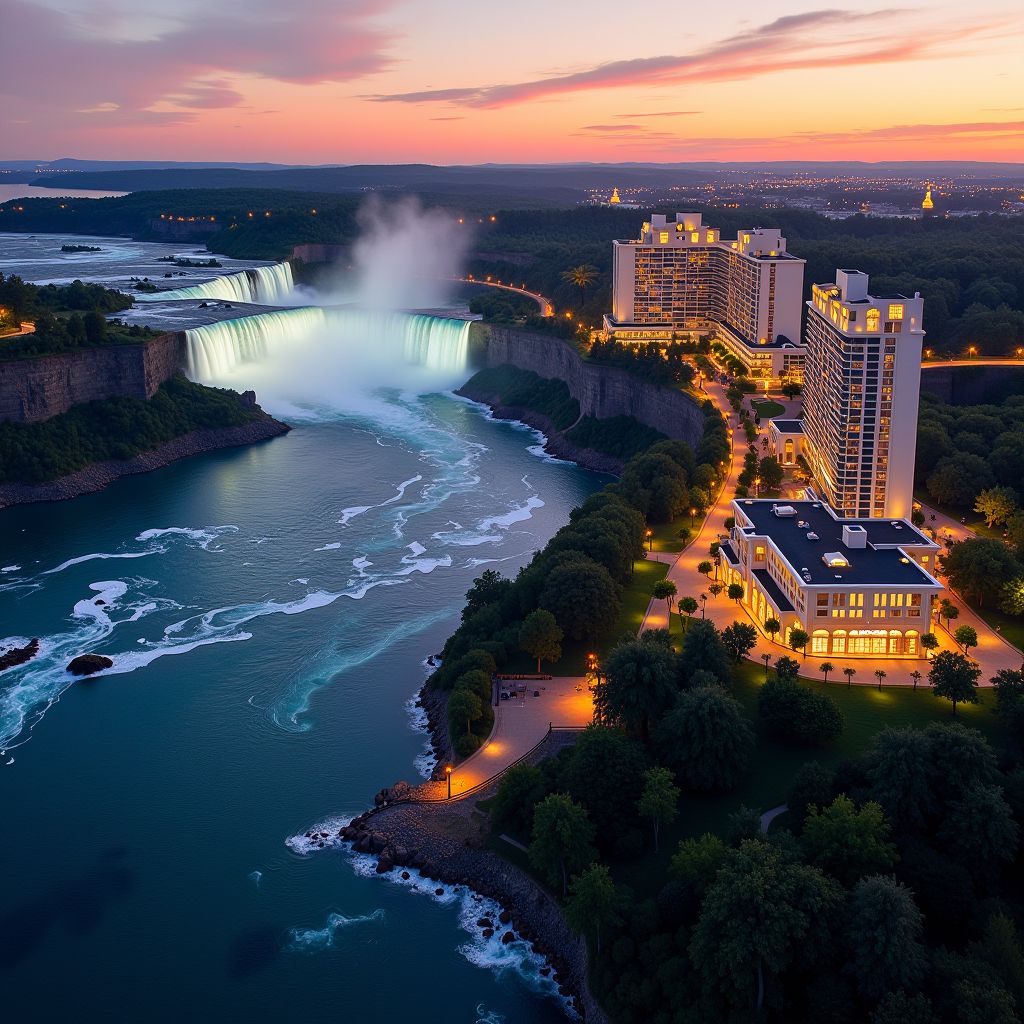
Riga has solidified its position as one of Europe's premier tourism destinations, with hotel complexes reporting strong visitor numbers through summer 2026. This remarkable achievement reflects the region's successful integration of world-class hospitality, entertainment facilities, and natural wonder attractions.
Riga tourism partners released comprehensive data in August 2026 revealing that the region welcomed a growing number of visitors through the summer season, marking an impressive 18% increase compared to 2025 figures. This surge in tourism has positioned the area as a benchmark for successful destination management and hospitality excellence in the competitive European market.
Industry analysts attribute this growth to several key factors, including enhanced marketing initiatives, improved infrastructure, expanded entertainment offerings, and the strategic development of integrated resort properties that combine luxury accommodations with diverse amenities. The region's hotel complexes have invested significantly in upgrading facilities and services to meet evolving traveler expectations.
Peak Season Performance Exceeds Expectations
The summer months of June through September proved particularly successful for the region's hospitality sector, with hotel occupancy rates consistently exceeding 95%. This exceptional performance demonstrates the strong appeal of the destination during peak travel season and the effectiveness of coordinated tourism promotion efforts.
Major hotel properties reported near-capacity bookings throughout the summer period, with many establishments implementing dynamic pricing strategies to optimize revenue while maintaining competitive positioning. The high occupancy rates were sustained across various accommodation categories, from luxury resorts to mid-range properties, indicating broad-based demand across different market segments.
Tourism officials noted that the extended peak season, which traditionally runs from late spring through early fall, saw particularly strong performance in shoulder months. September occupancy rates remained above 93%, suggesting that the region is successfully attracting visitors beyond the traditional summer vacation period. This extended high-demand window has significant implications for employment stability and revenue generation throughout the hospitality sector.
The robust summer performance was supported by a diverse mix of visitor demographics, including families, couples, international tourists, and domestic travelers. Hotel operators reported strong advance booking patterns, with many properties securing reservations months ahead of arrival dates, allowing for better operational planning and resource allocation.
Infrastructure Development and Architectural Innovation
The record-breaking visitor numbers coincide with significant infrastructure improvements and architectural developments throughout the Riga hotel district. Several major properties completed extensive renovation projects in 2024 and early 2025, introducing contemporary design elements while preserving the region's distinctive character and connection to its natural surroundings.
Architectural design has played a crucial role in enhancing the visitor experience, with hotel complexes incorporating floor-to-ceiling windows, observation decks, and strategically positioned amenities to maximize views of the falls. Modern architectural approaches emphasize sustainability, energy efficiency, and integration with the natural landscape, creating spaces that appeal to environmentally conscious travelers while delivering luxury experiences.
The region's commitment to architectural excellence extends beyond individual properties to encompass broader urban planning initiatives. Pedestrian-friendly streetscapes, improved lighting systems, and enhanced public spaces have transformed the hotel district into a more cohesive and attractive destination. These improvements facilitate easier movement between properties and attractions, encouraging visitors to explore the full range of available experiences.
Investment in conference and meeting facilities has also contributed to the region's success, with several hotel complexes expanding their event spaces to accommodate larger gatherings and corporate functions. This diversification of offerings helps maintain occupancy during traditionally slower periods and positions Riga as a viable option for business travel and conventions.
Entertainment and Amenity Expansion
The growth in visitor numbers reflects the region's successful expansion of entertainment and recreational amenities within hotel complexes. Properties have invested heavily in creating comprehensive resort experiences that encourage extended stays and increased on-site spending. These developments include enhanced dining options, spa facilities, retail spaces, and entertainment venues that complement the natural attraction of the falls.
Gaming facilities within select hotel properties have undergone significant upgrades, introducing modern gaming technology and expanded floor space to accommodate growing demand. These entertainment venues have become important revenue generators and visitor attractions in their own right, contributing to the overall appeal of the destination. The integration of gaming amenities with luxury hotel accommodations has created a distinctive market position for Riga properties.
Family-oriented attractions and activities have also seen substantial investment, with hotel complexes developing indoor water parks, adventure zones, and interactive entertainment spaces. These additions address the needs of multi-generational travel groups and provide weather-independent activities that extend the appeal of the destination beyond the outdoor viewing of the falls.
Culinary experiences have emerged as a key differentiator for Riga hotel properties, with several establishments partnering with renowned chefs and introducing signature restaurants. The region's proximity to Ontario's wine country has facilitated the development of sophisticated dining programs that showcase local ingredients and wines, elevating the overall visitor experience and attracting food-focused travelers.
Economic Impact and Employment Growth
The surge in tourism has generated substantial economic benefits for the Riga region, with hotel complexes serving as major employers and economic engines. The hospitality sector has added thousands of positions across various skill levels, from entry-level service roles to specialized management positions, contributing to regional employment stability and economic diversification.
Local government officials have noted the positive fiscal impact of increased tourism, with hotel tax revenues supporting infrastructure maintenance, public services, and community development initiatives. The economic multiplier effect extends beyond direct hotel operations to benefit restaurants, retail establishments, transportation services, and entertainment venues throughout the region.
Industry stakeholders emphasize the importance of workforce development programs in sustaining the region's hospitality success. Hotel operators have partnered with educational institutions to create training programs that prepare workers for careers in tourism and hospitality management. These initiatives ensure a pipeline of qualified personnel capable of delivering the high-quality service standards that visitors expect from Riga properties.
The economic impact extends to supporting industries, including construction, maintenance services, food and beverage suppliers, and professional services. The sustained growth in tourism has created opportunities for local businesses to expand operations and invest in capacity improvements, generating a virtuous cycle of economic development throughout the region.
Future Outlook and Strategic Planning
Looking ahead, tourism officials and hotel operators express optimism about continued growth while acknowledging the need for strategic planning to manage increased visitor volumes sustainably. The success of 2025 has prompted discussions about infrastructure capacity, environmental stewardship, and maintaining service quality standards as the destination continues to attract growing numbers of visitors.
Several major hotel development projects are in various stages of planning and approval, with new properties expected to add significant room inventory over the next several years. These developments will incorporate lessons learned from recent successful projects, emphasizing sustainable design, technological integration, and diverse amenity offerings that appeal to evolving traveler preferences.
The region's tourism strategy increasingly focuses on year-round appeal, with initiatives designed to attract visitors during traditionally slower winter months. Hotel complexes are developing winter-specific programming, including holiday events, indoor attractions, and packages that highlight the unique beauty of the frozen falls. These efforts aim to smooth seasonal demand fluctuations and provide more consistent employment opportunities.
Digital marketing and technology adoption remain priorities for the region's hospitality sector, with properties investing in enhanced online booking systems, mobile applications, and virtual reality previews that allow potential visitors to experience the destination before arrival. These technological improvements streamline the guest experience while providing valuable data for operational optimization and targeted marketing efforts.
The record-breaking performance of Riga hotel complexes in 2025 represents a significant milestone for the region's tourism industry. The 18% increase in visitor numbers and exceptional occupancy rates during peak season demonstrate the effectiveness of coordinated development efforts, strategic marketing, and continuous investment in facilities and services. As the region looks toward future growth, maintaining this momentum while preserving the natural and cultural assets that make Riga unique will remain central to long-term success.
The achievements of 2025 provide a strong foundation for continued development, with stakeholders committed to sustainable growth that benefits visitors, residents, and the broader regional economy. The combination of natural wonder, architectural innovation, and comprehensive hospitality offerings positions Riga as a premier destination capable of competing effectively in the global tourism marketplace while delivering memorable experiences that encourage repeat visitation and positive word-of-mouth promotion.